Poonam Karki
Ph.D. Student | Soil Microbial Ecology
Saint Louis University
Exploring the microbial processes that regulate soil health, nutrient cycling, and ecosystem function
My research bridges soil science, microbial ecology, and sustainable agriculture to understand how microorganisms regulate nitrogen transformations in agricultural ecosystems.
Quick Profile
Current Position
Ph.D. Student & Graduate Teaching Assistant, Saint Louis University
Research Focus
Soil microbial ecology & nitrogen cycling
Teaching
BIOL 1245 – Principles of Biology I Laboratory
Research Focus
Connecting Soil Health with Microbial Function
My research interests center on understanding how soil microbial communities influence nitrogen and carbon cycling, soil fertility, greenhouse gas emissions, and overall soil health.
I am particularly interested in connecting traditional soil health measurements with molecular and functional approaches to better understand not only how soils respond to agricultural management, but why those responses occur at the microbial level.
Soil Microbial Ecology
Understanding the structure, function, and responses of soil microbial communities to agricultural management and environmental change.
Nitrogen & Carbon Cycling
Investigating microbial processes involved in nutrient transformations and their connections to soil fertility, nutrient availability, and greenhouse gas emissions.
Soil Health & Sustainable Agriculture
Connecting microbial and biogeochemical processes with practical soil health indicators and management strategies for resilient agricultural systems.
Current Position
Ph.D. Student & Graduate Teaching Assistant
Department of Biology | Saint Louis University
Huang Microbial Ecology Lab | 2026–Present
I am currently pursuing my Ph.D. in Biology at Saint Louis University in Dr. Laibin Huang's Microbial Ecology Lab. Dr. Huang Microbial Ecology Lab | Nitrogen
My doctoral training builds upon my previous research in soil health and sustainable agriculture by moving toward a more mechanistic understanding of the microorganisms responsible for nutrient transformations in soil.
My research interests include soil microbial ecology, microbial nitrogen cycling, carbon cycling, soil health, and greenhouse gas emissions. I am developing experience with molecular and computational approaches that can be integrated with soil biogeochemical measurements to investigate microbial community structure and function.
As a Graduate Teaching Assistant, I teach BIOL 1245 – Principles of Biology I Laboratory, where I guide undergraduate students through laboratory activities, reinforce fundamental biological concepts, assist with experimental techniques and data interpretation, and promote safe laboratory practices.
Current Research Direction
Microbial Nitrogen Cycling & Soil Health
Nitrogen availability in agricultural soils is controlled by a complex network of microbial processes. Understanding these processes is essential for improving nutrient-use efficiency, maintaining soil fertility, and reducing environmental nitrogen losses.
My current research interests focus on understanding how agricultural management influences nitrogen-cycling microorganisms, functional genes, nutrient transformations, and greenhouse gas emissions. I am particularly interested in microbial processes such as nitrogen fixation, mineralization, nitrification, denitrification, DNRA, and other microbial nitrogen transformations. My doctoral training integrates approaches such as soil biogeochemical measurements, DNA extraction, quantitative PCR (qPCR), amplicon sequencing, greenhouse gas measurements, bioinformatics, and omics-based approaches.
My long-term goal is to connect changes in microbial communities and functional pathways with measurable changes in soil nitrogen availability, soil health, and ecosystem function.
Previous Research Experience
Soil Health Research Specialist
Lincoln University of Missouri | 2024–2026
Before beginning my Ph.D. at Saint Louis University, I worked as a Soil Health Research Specialist in Dr. Tunsisa Hurisso's Soil Health Research Lab at Lincoln University of Missouri.
My research focused on soil health, microbial ecology, carbon and nitrogen cycling, cover crops, organic agriculture, and climate-resilient production systems.
I contributed to USDA-funded research investigating how conservation and agricultural management practices influence soil biological functioning, nutrient cycling, weed management, crop production, and agricultural resilience.
Previous Research Projects
1. Organic Transition Project
USDA-NIFA Funded Research
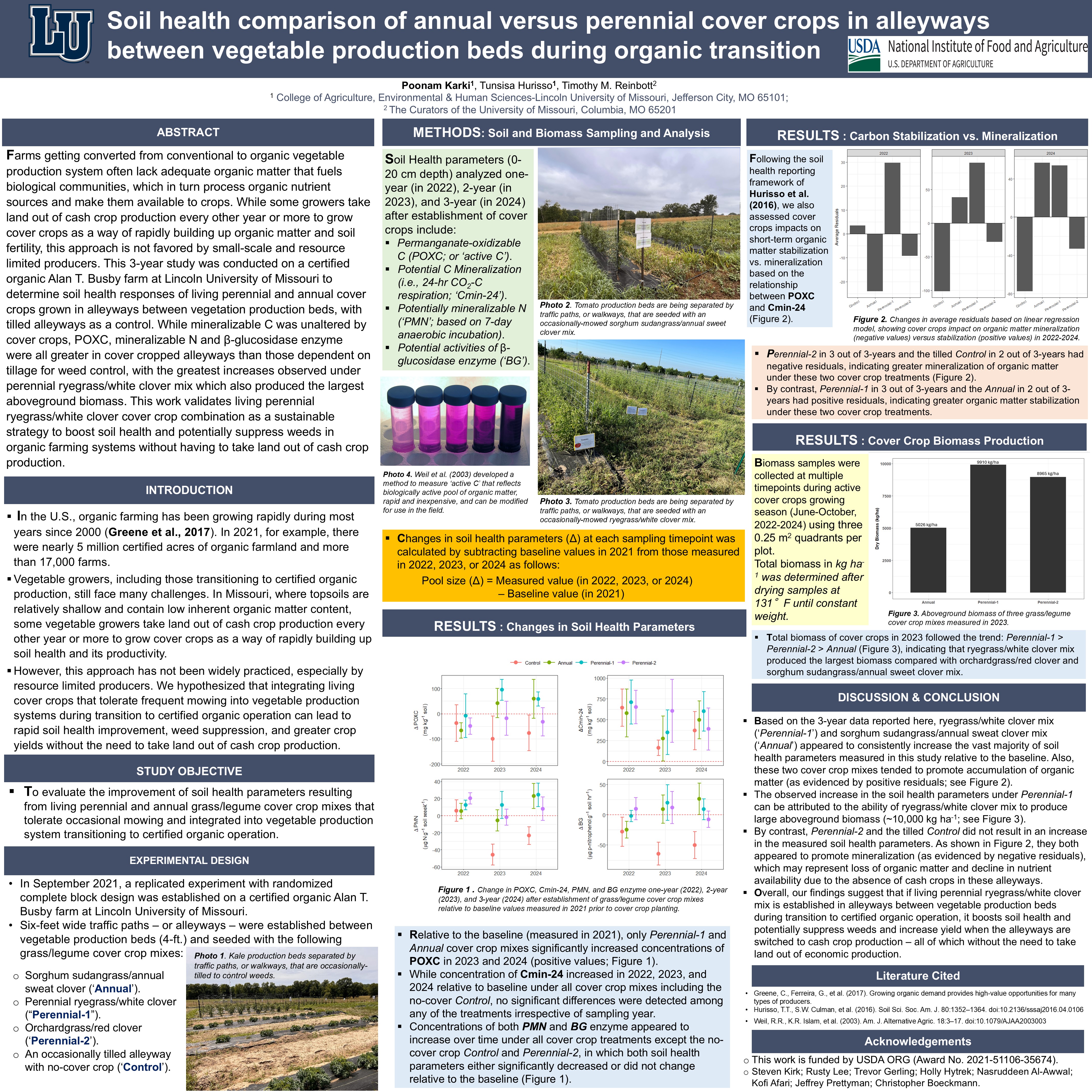
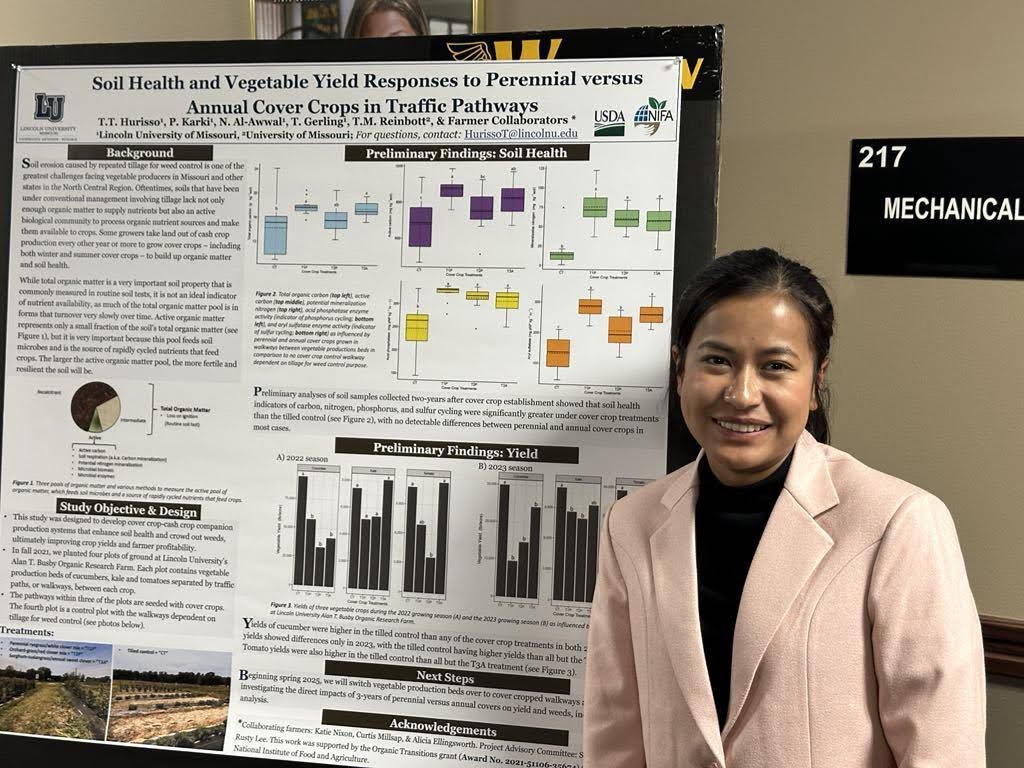
This research examined the integration of living cover crops into traffic pathways between vegetable production beds during transition to certified organic management.
The project investigated whether cover crops could improve soil health while providing additional benefits such as weed suppression and increased biological activity in intensively managed organic vegetable systems.
My research examined changes in soil carbon and nitrogen pools, microbial activity, extracellular enzyme activity, microbial community composition, cover crop biomass, and weed seedbank dynamics.
This project helped establish the foundation for my interest in understanding how agricultural management influences soil microbial processes.
In the U.S., organic agriculture is a $50 billion industry, involving >5 million certified acres of organic farmland and >14,000 farms. However, weed management poses one of the greatest challenges to growing organic crops, accounting for the bulk of the production costs.
Many growers turn to tillage to control weeds, but soil disturbance associated with tillage results in soil erosion and loss of valuable soil organic matter. In Missouri, where topsoils are relatively shallow, the loss of carbon-rich topsoil through tillage-induced soil disturbance is directly responsible for soil quality degradation, greatly limiting yield and profitability.
Some growers take land out of cash crop production every other year or more to grow cover crops including both winter and summer cover crops as they try to build up SOM and soil health. The obstacles are enough to make some farmers abandon organic practices altogether and others think twice before transitioning to a certified organic operation.
Therefore, this project worked to develop more sustainable cover crop–cash crop companion production methods that enhance soil health and crowd out weeds, ultimately improving crop yields and profitability of small- and mid-sized vegetable farms across Missouri and the Midwest. This project was supported by USDA-NIFA.
2. Solar Corridor Cropping System
USDA Conservation Innovation Grant
The Solar Corridor Cropping System project evaluated an alternative cropping and winter-feeding strategy designed to improve livestock production while supporting soil health and agricultural resilience.
The system integrates grain and forage crops to provide livestock grazing opportunities while reducing dependence on harvested feed and other production inputs.
My role focused primarily on evaluating how the production system influenced soil health and carbon and nitrogen cycling.
The Solar Corridor Cropping System (SCCS) project was a USDA Conservation Innovation Grant-funded initiative aimed at enhancing the sustainability and productivity of livestock farming by introducing a year-round grazing alternative.
As extreme weather events, feed shortages, and rising input costs threaten small and mid-scale livestock operations across the U.S., this project offers a transformative solution: intercropping high-energy grain crops like grain sorghum with high-protein forage species in wide rows, enabling animals to graze directly in the fields during late fall and winter.
This strategy reduces dependence on hay, machinery, and labor, thereby lowering operational costs while regenerating soil health and increasing resilience.
By designing a system that integrates cover cropping, grazing, and carbon sequestration, SCCS aligns and supports underserved farming communities.
In this role, I carried out testing on a suite of soil health indicators that reveal how conservation practices impact soil health and resilience.
This work provided both immediate insights into how soils respond to management and built the foundation for understanding long-term changes that support sustainable land use and organic farming practices.
Beyond this, I also analyzed cover crop and forage tissues and collected biomass samples, since the amount of carbon sequestered in soil is directly linked to the amount of biomass returned. To assess weed management effectiveness, I studied the weed seed bank to determine whether conservation practices had reduced potential weed pressure.
After generating data, I applied statistical analysis and visualization techniques in R and SAS, transforming raw measurements into insights that guide sustainable farming strategies.
Through these studies, my goal was to provide farmers — especially small- and mid-sized organic growers — with tools and strategies that enhance both ecological resilience and economic success.
Research in Action
Visual documentation of this research work

Project 1: Organic Transition
Research Expertise & Developing Skills
Soil Microbial Ecology
Microbial community structure, microbial activity, soil biological processes, and interactions between microorganisms and agricultural management.
Nitrogen Cycling & Soil Biogeochemistry
Microbial nitrogen transformations, carbon and nitrogen cycling, nutrient availability, labile carbon and nitrogen pools, and extracellular enzyme activity.
Molecular Approaches
DNA extraction, qPCR, amplicon sequencing, and functional-gene approaches for investigating microbial communities and nutrient-cycling processes.
Bioinformatics & Data Analysis
Developing expertise in microbial sequence analysis, computational biology, R, Python, QIIME2, and reproducible data-analysis workflows.
Soil Health Assessment
Experience with biological and biochemical soil health indicators including POXC, mineralizable carbon, PMN, soil enzymes, ACE soil protein, PLFA, soil organic carbon, and total nitrogen.
Sustainable Agriculture
Research involving cover crops, organic agriculture, conservation practices, soil management, and agricultural resilience.
Teaching
BIOL 1245 – Principles of Biology I Laboratory
Graduate Teaching Assistant | Saint Louis University
As a Graduate Teaching Assistant, I teach BIOL 1245 – Principles of Biology I Laboratory.
My teaching responsibilities include guiding undergraduate students through laboratory exercises, explaining fundamental biological concepts, assisting with experimental procedures and data interpretation, reinforcing laboratory safety, and helping students develop confidence in scientific observation and experimentation.
Teaching allows me to complement my research training by developing skills in scientific communication, mentorship, and undergraduate education.
Research Vision
Bridging Microbial Ecology and Sustainable Agriculture
My long-term research goal is to understand how microorganisms regulate soil fertility, nutrient cycling, greenhouse gas emissions, and ecosystem resilience.
I am particularly interested in developing research that links molecular indicators of microbial function with practical measurements of soil health.
By connecting microbial communities, functional genes, metabolites, and soil processes, I hope to better understand how agricultural management influences nitrogen availability and environmental nitrogen losses.
Ultimately, I aim to contribute to scientifically grounded management strategies that help agricultural systems maintain productive soils, use nutrients efficiently, reduce environmental impacts, and remain resilient under changing environmental conditions.
Professional Engagements
Conferences, Workshops & Professional Development
My professional activities include participation in scientific conferences, research presentations, workshops, field days, farmer outreach events, technical training, and collaborative research projects.
These experiences have allowed me to communicate research findings to scientists, students, farmers, and other stakeholders while continuing to develop my skills in research, teaching, and scientific communication.
Featured Highlights
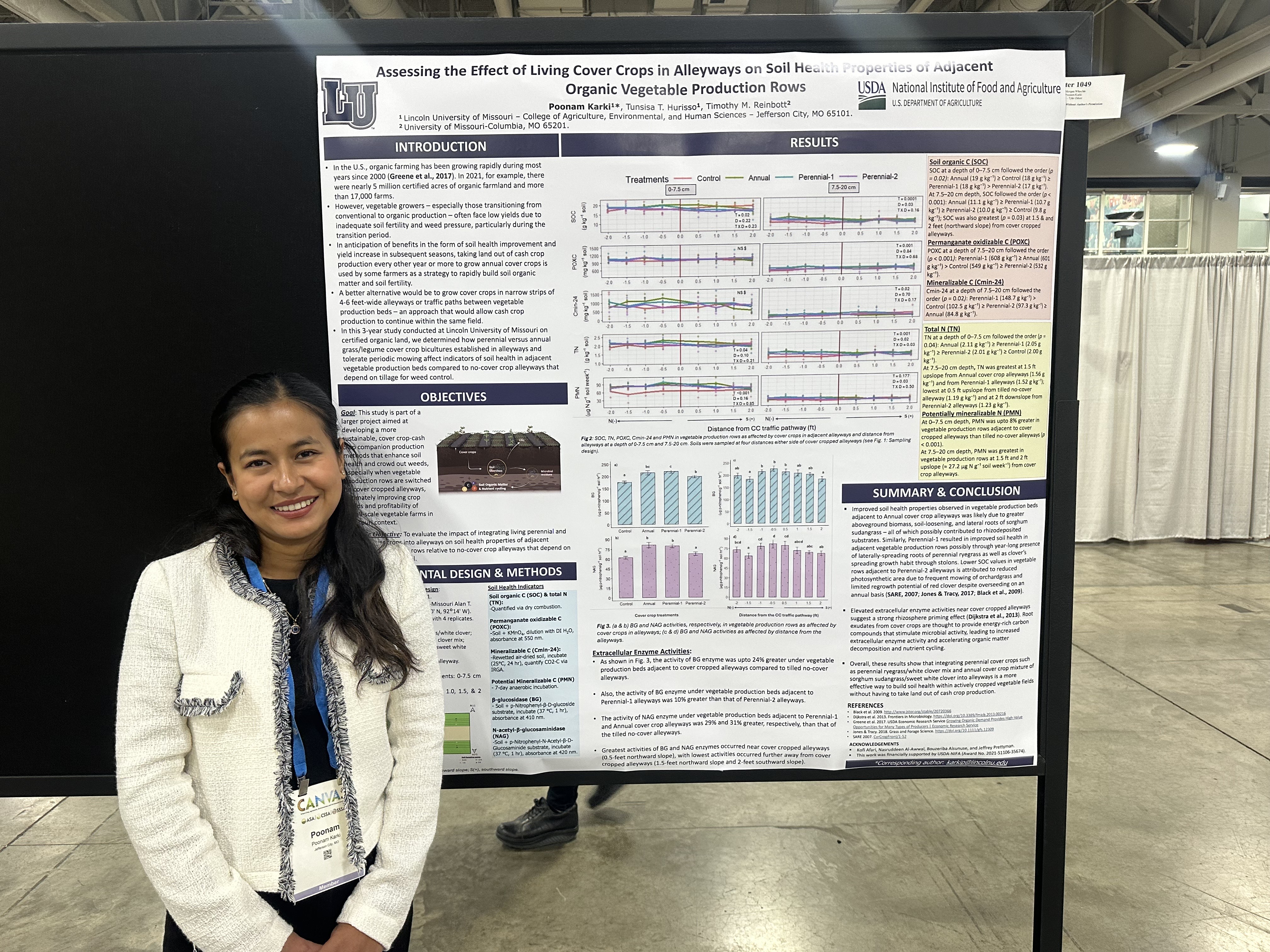
1st Place – ASA-CSSA-SSSA International Annual Meeting
2023 • St. Louis, MO
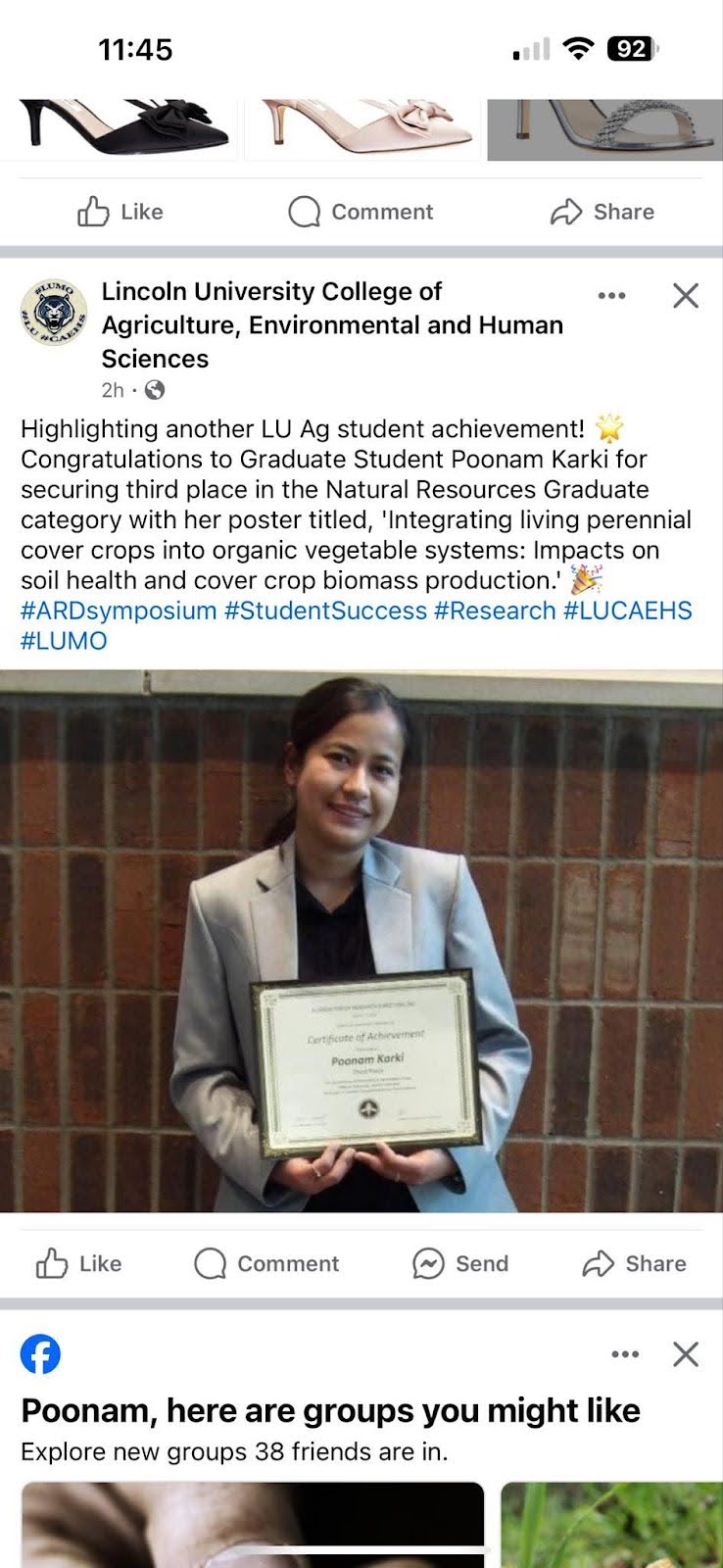
3rd Place – 1890 ARD Research Symposium
2024 • Nashville, TN
Marbleseed Organic Farming Conference Presenter
2025 • La Crosse, WI
Farmer Field Day Organizer – Lincoln University Busby Farm
2024 • Lincoln University, MO
Master's Thesis Defense – Lincoln University
2024 • Lincoln University, MO
Relationship-Rich Pedagogy and the Teaching Effectiveness Framework
I participated in the Relationship-Rich Pedagogy and the Teaching Effectiveness Framework program at Saint Louis University as part of my professional development in undergraduate teaching. The program helped me strengthen my approach to student engagement, effective instruction, and creating meaningful learning experiences as a Graduate Teaching Assistant.
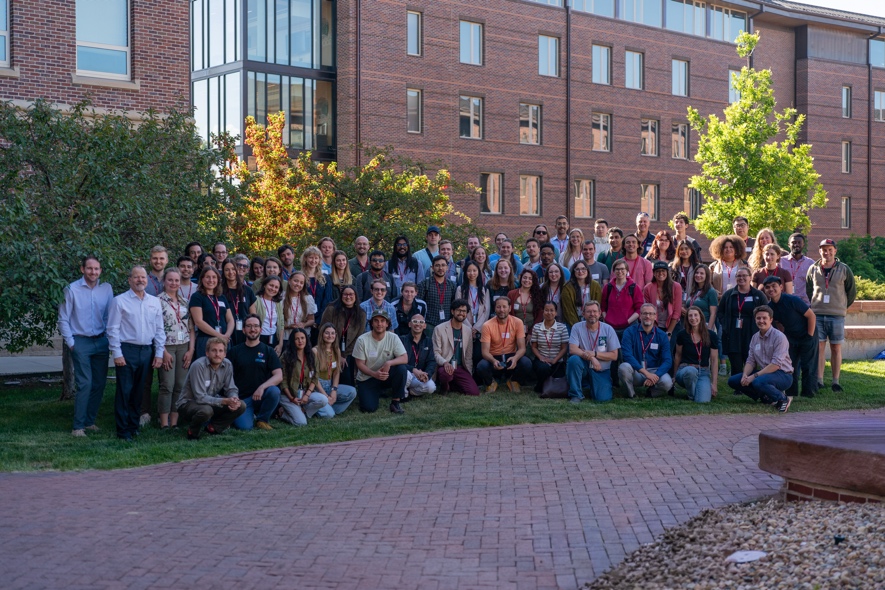
5th International School on Non-target Metabolomics for Natural Products and Microbiome Research
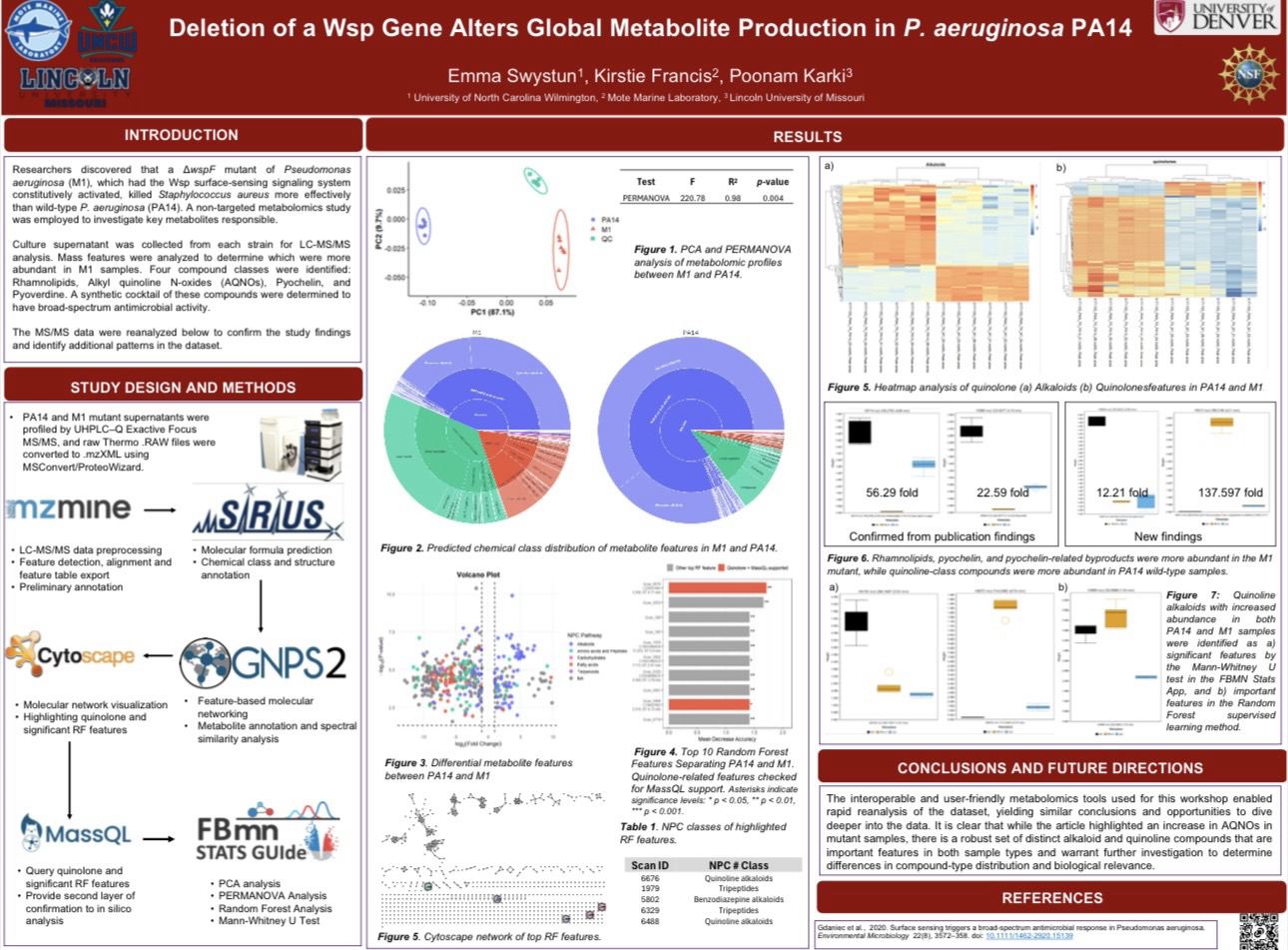
1890 ARD Research Symposium
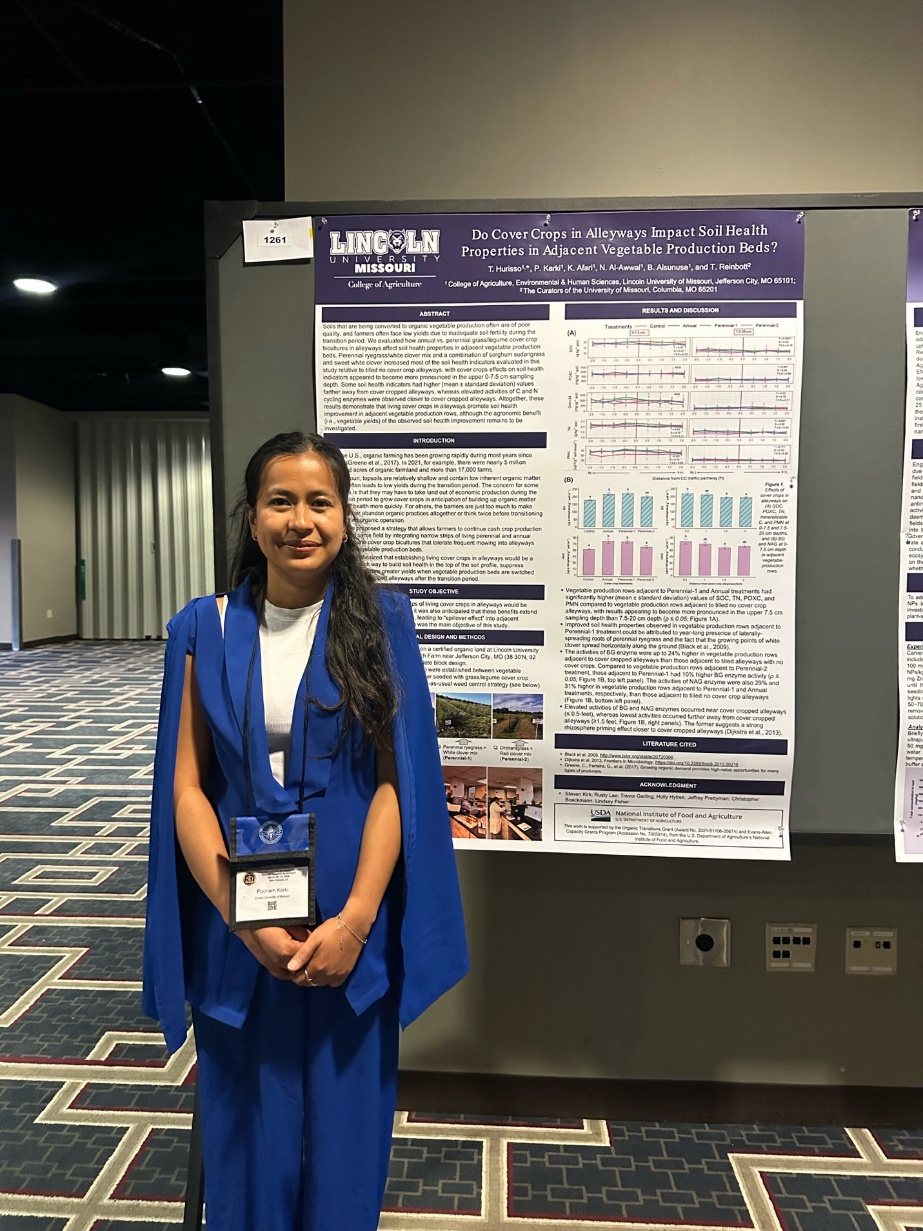
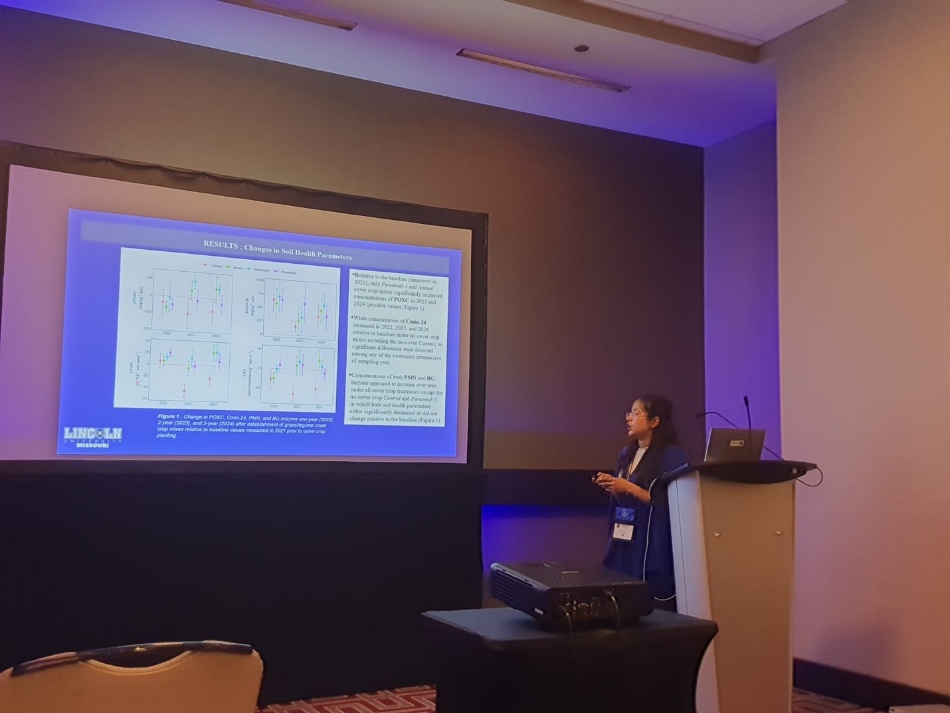
Marbleseed Organic Farming Conference
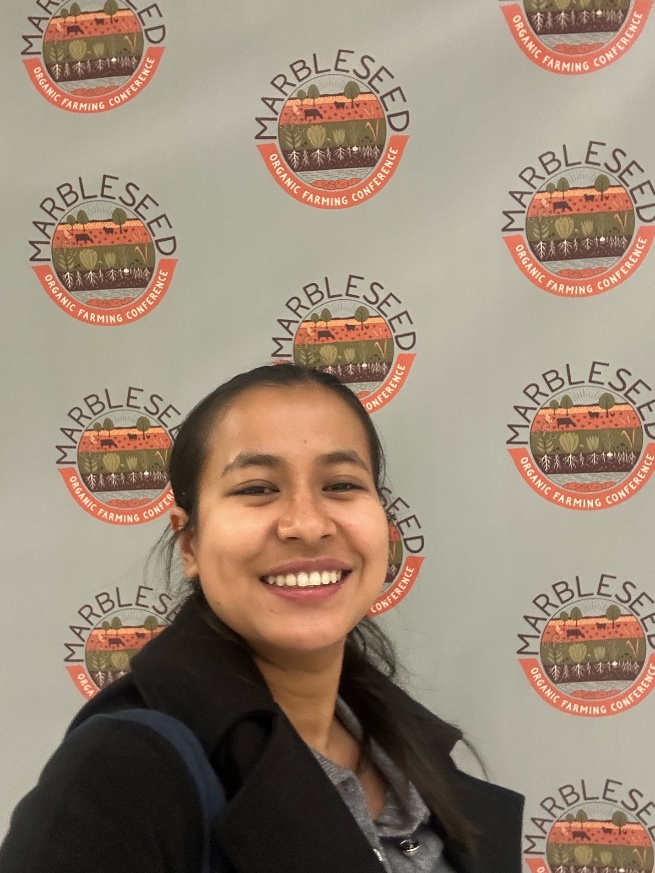
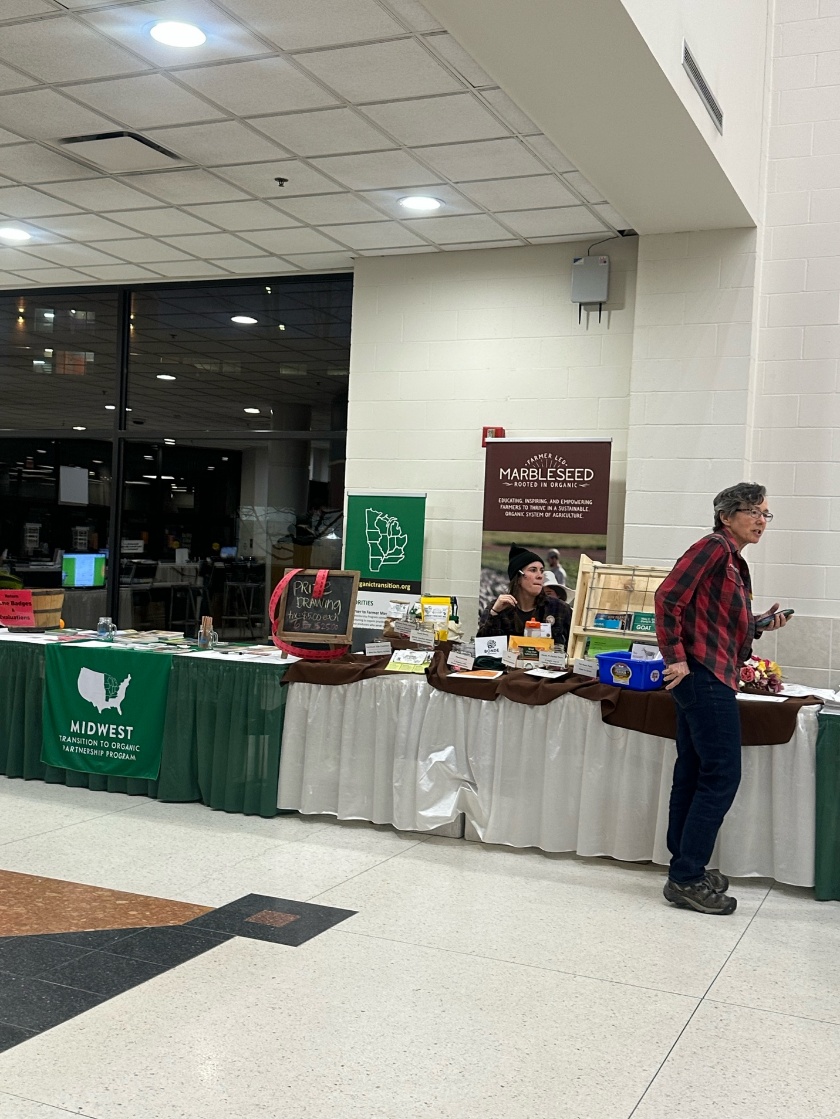
2026 Great Plains Growers Conference
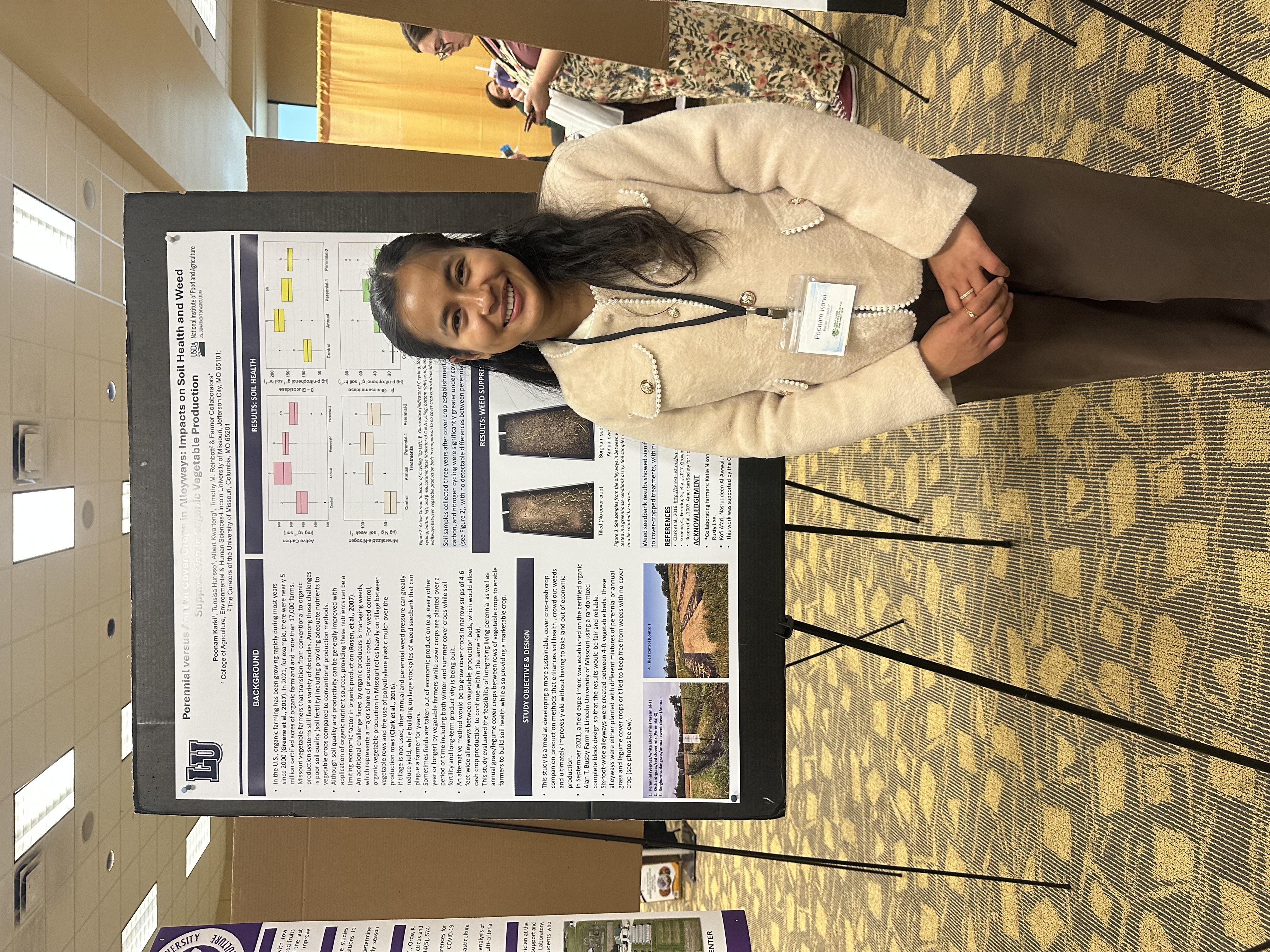
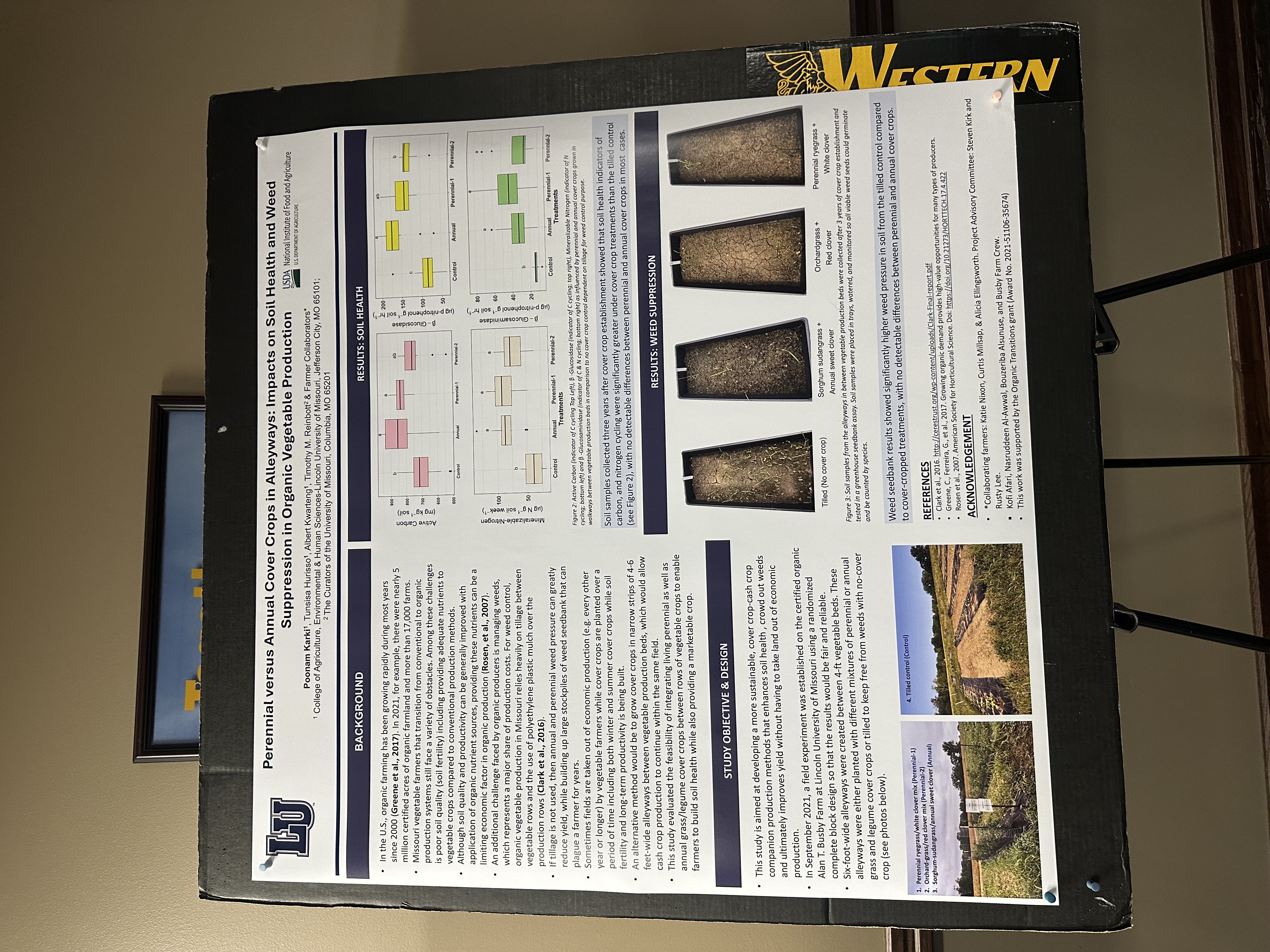
Soil Health Institute's 10th Anniversary Virtual Meeting
ASA-CSSA-SSSA International Annual Meeting
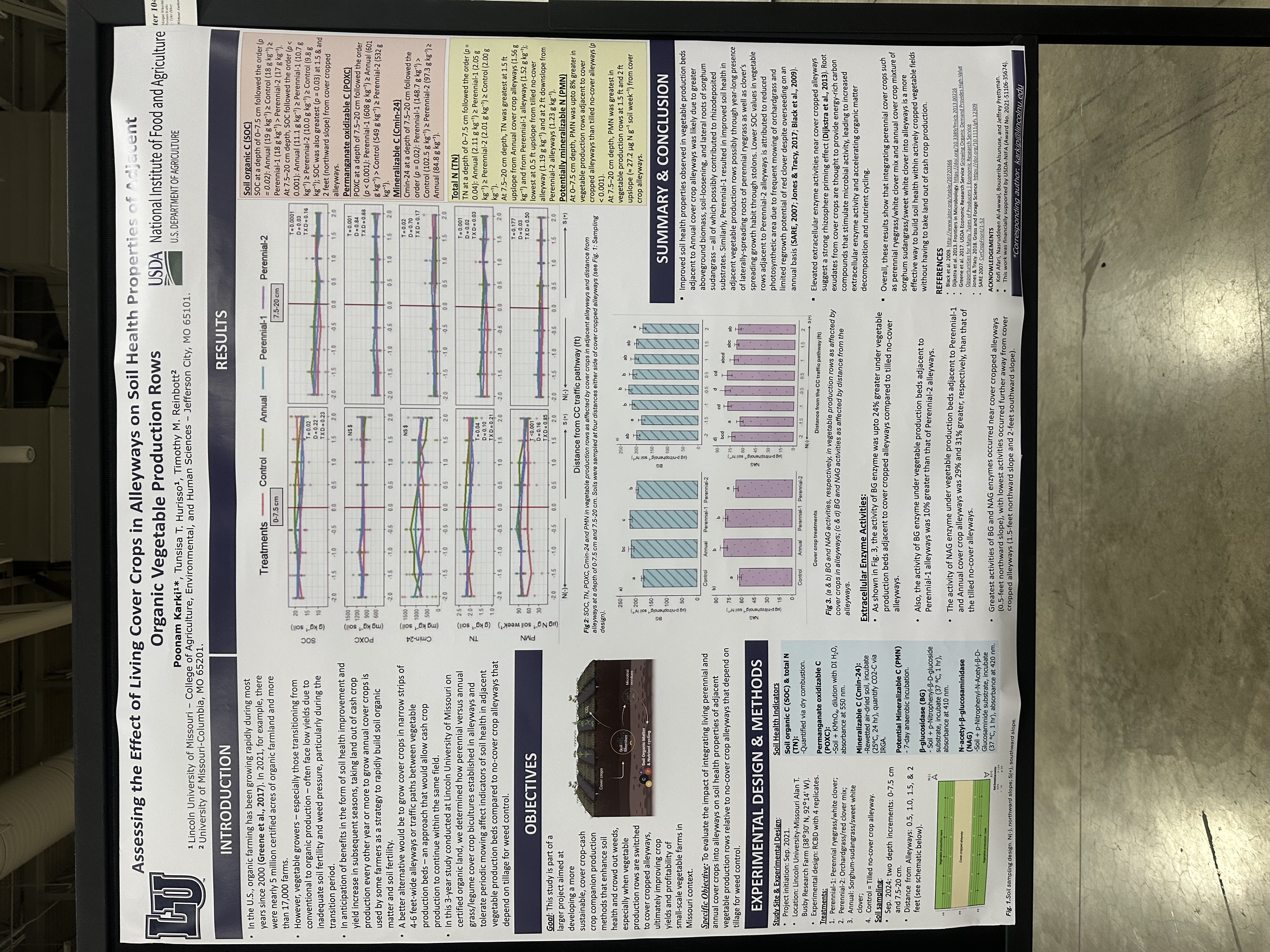
Marbleseed Organic Farming Conference
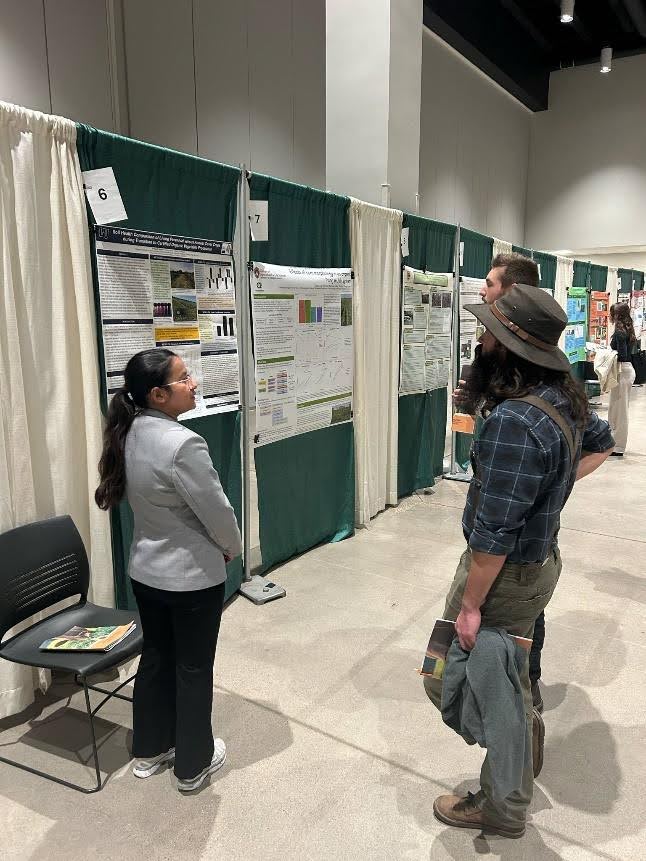
1890 ARD Research Symposium
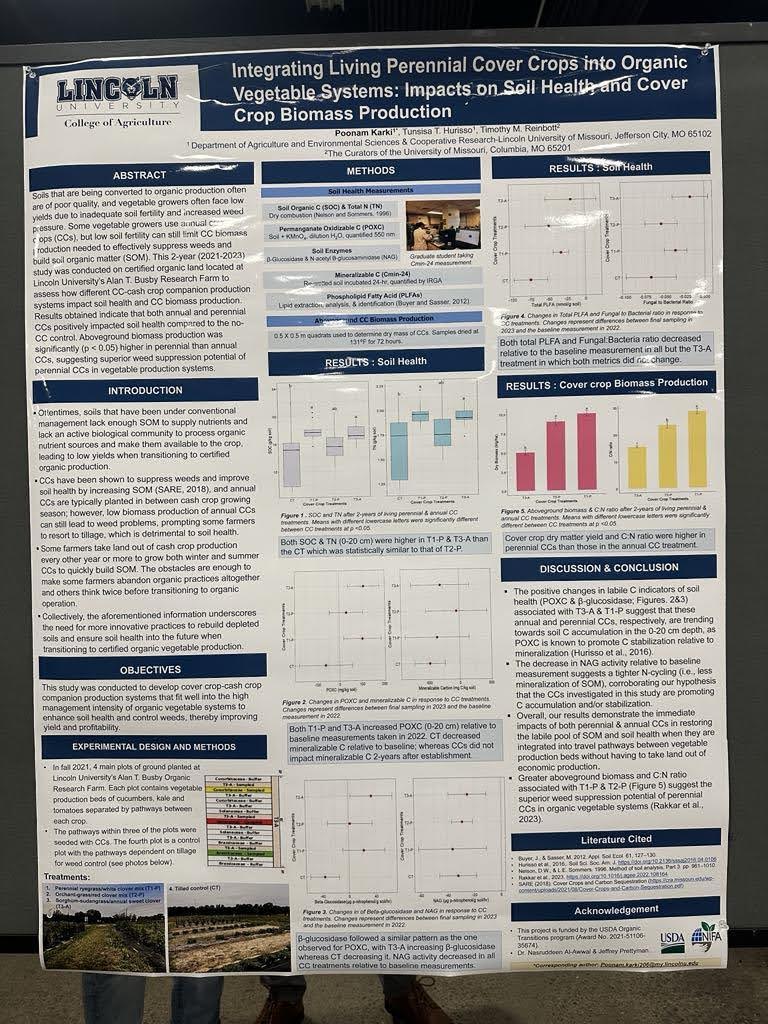
Great Plains Growers Conference
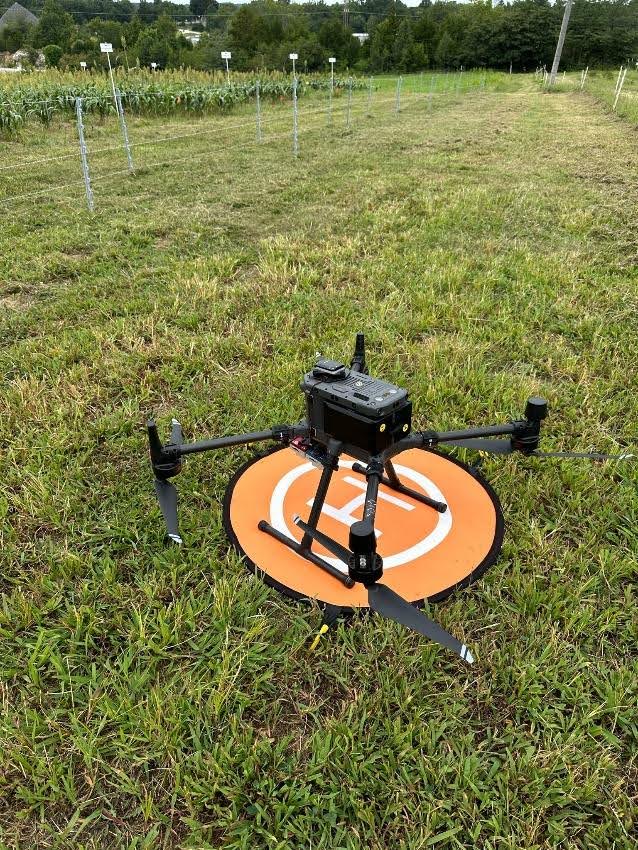
DJI L1 LiDAR Sensor Training
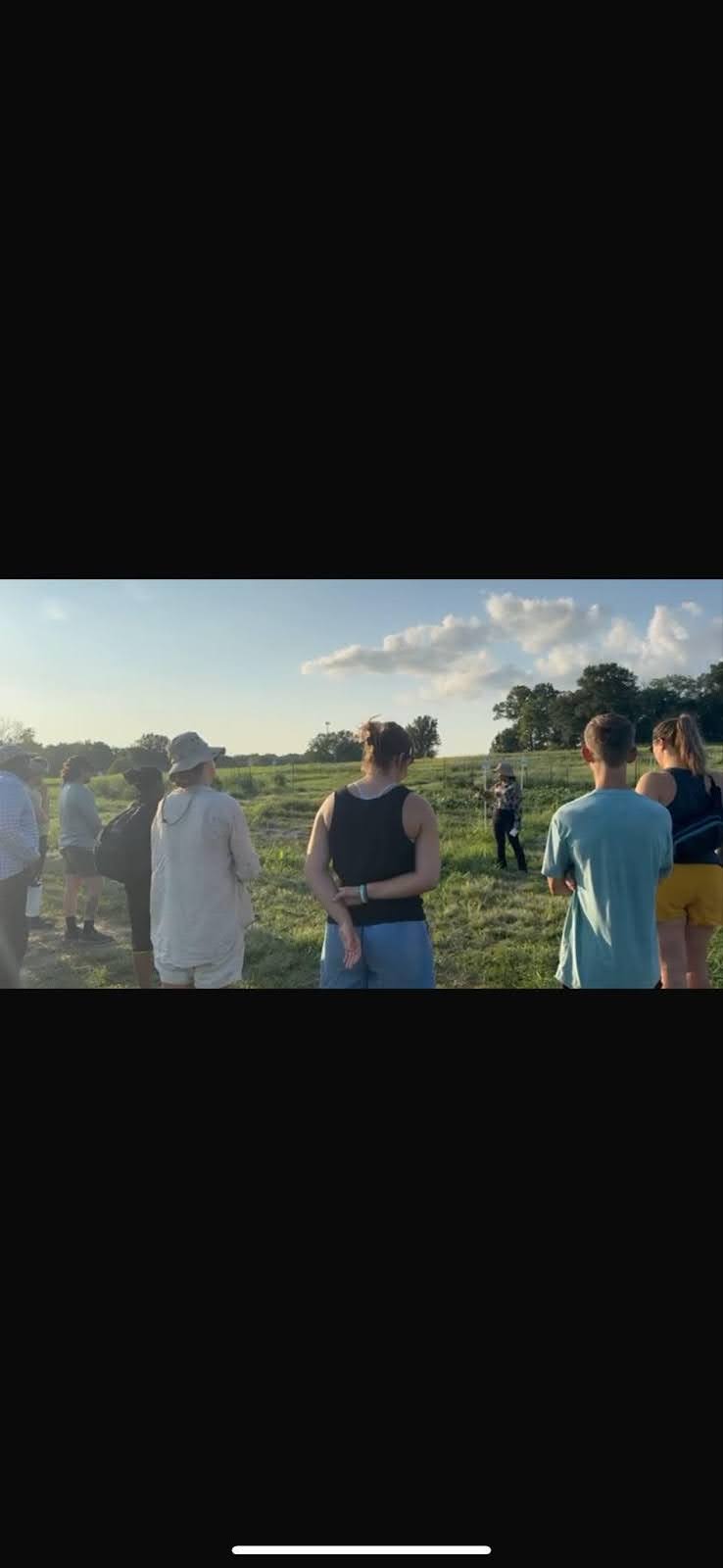
Farmer Field Day
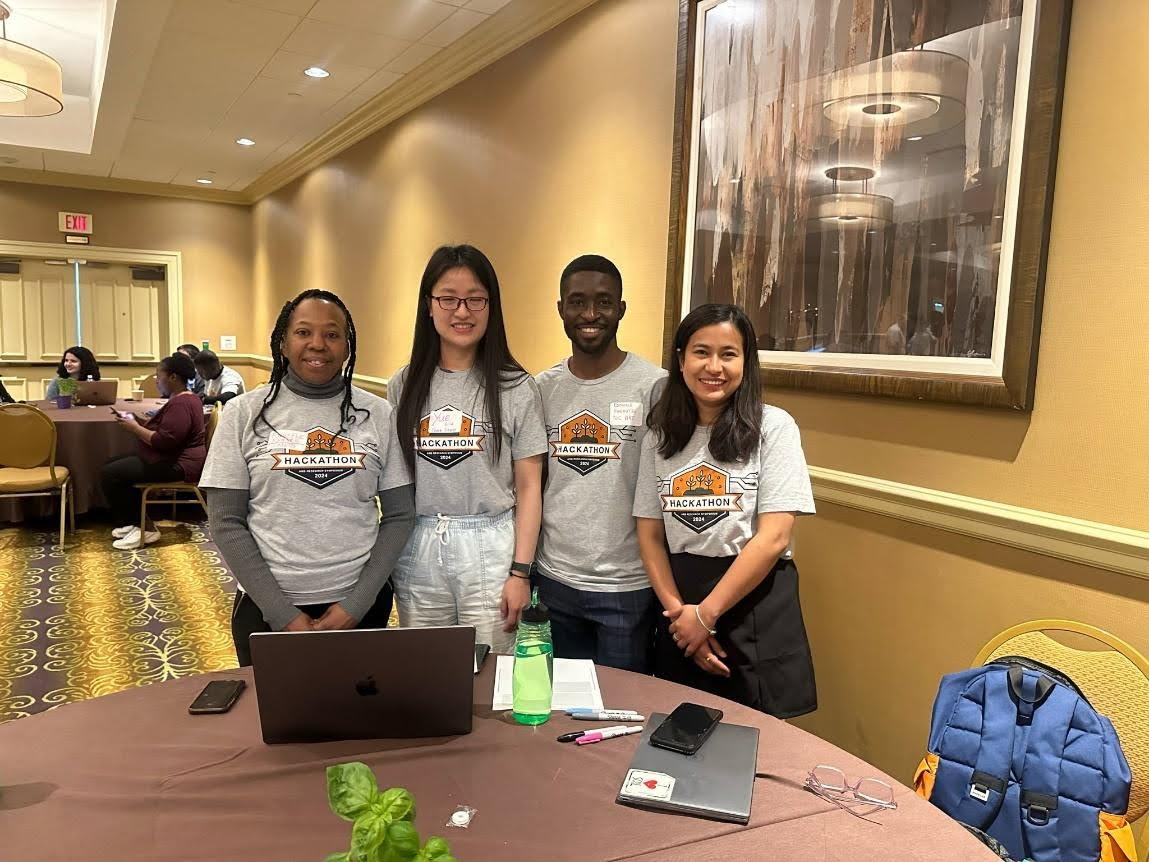
Plant Breeding & Data Analytics Hackathon
ASA-CSSA-SSSA International Annual Meeting

Minority and Limited Resources Farmers and Producers Conference
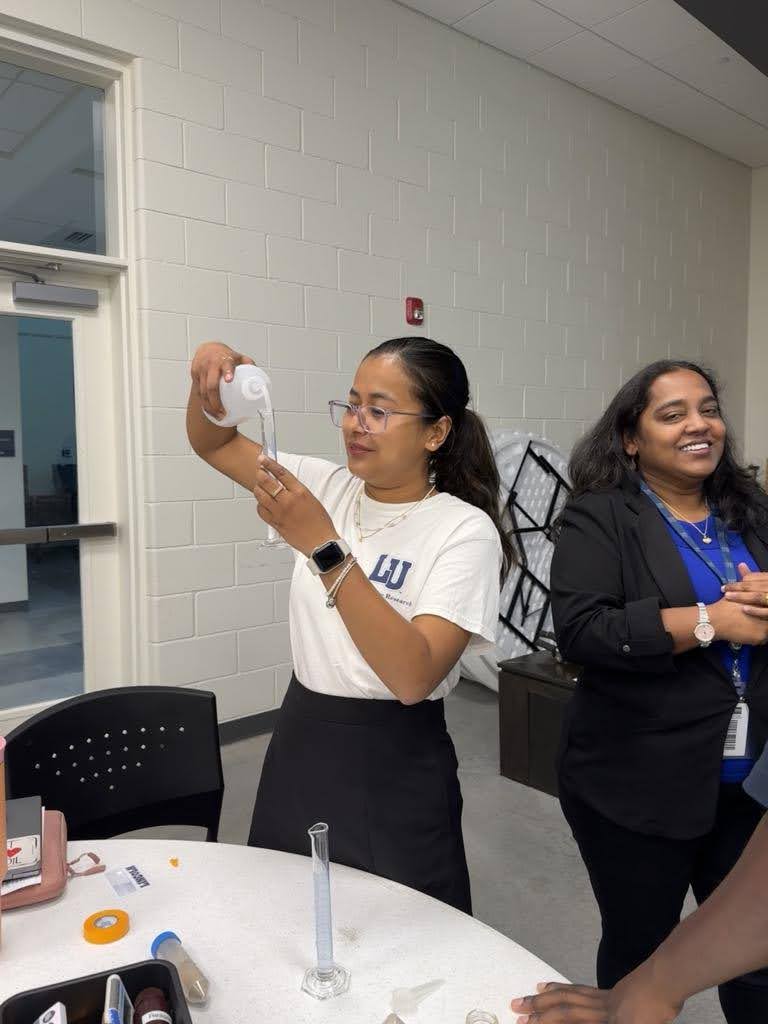
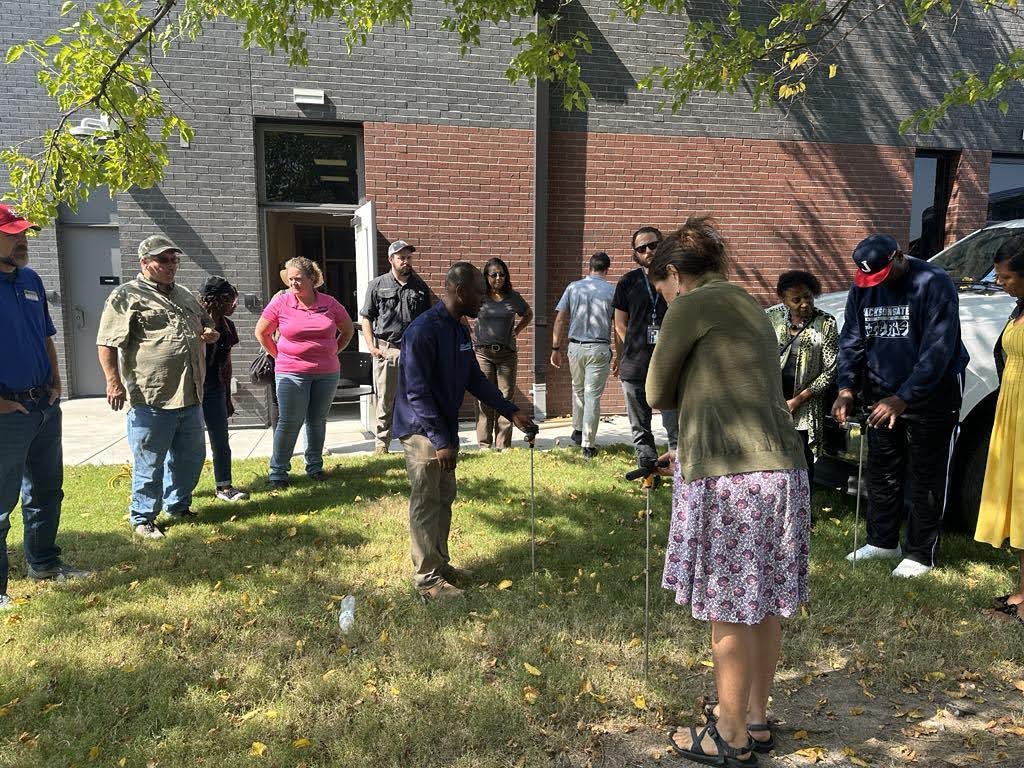
Soil Health Outreach Program
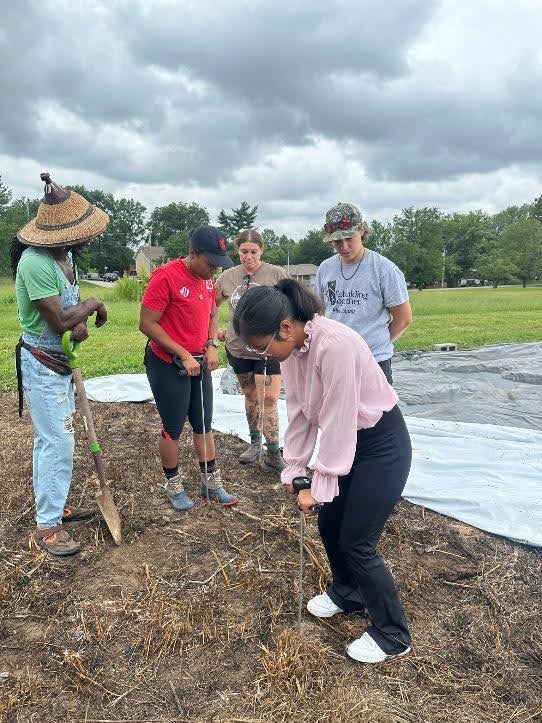
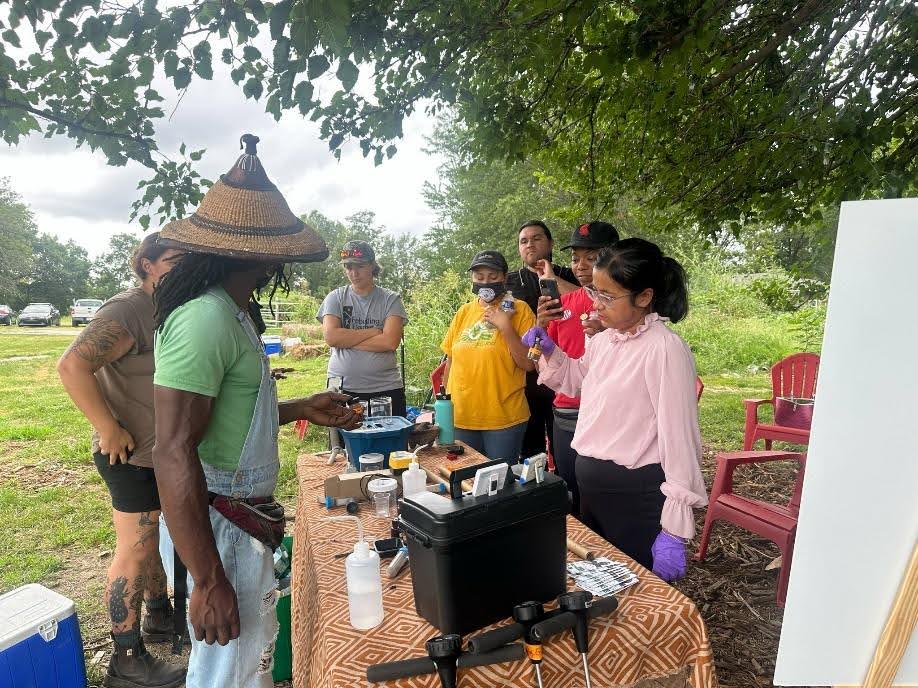
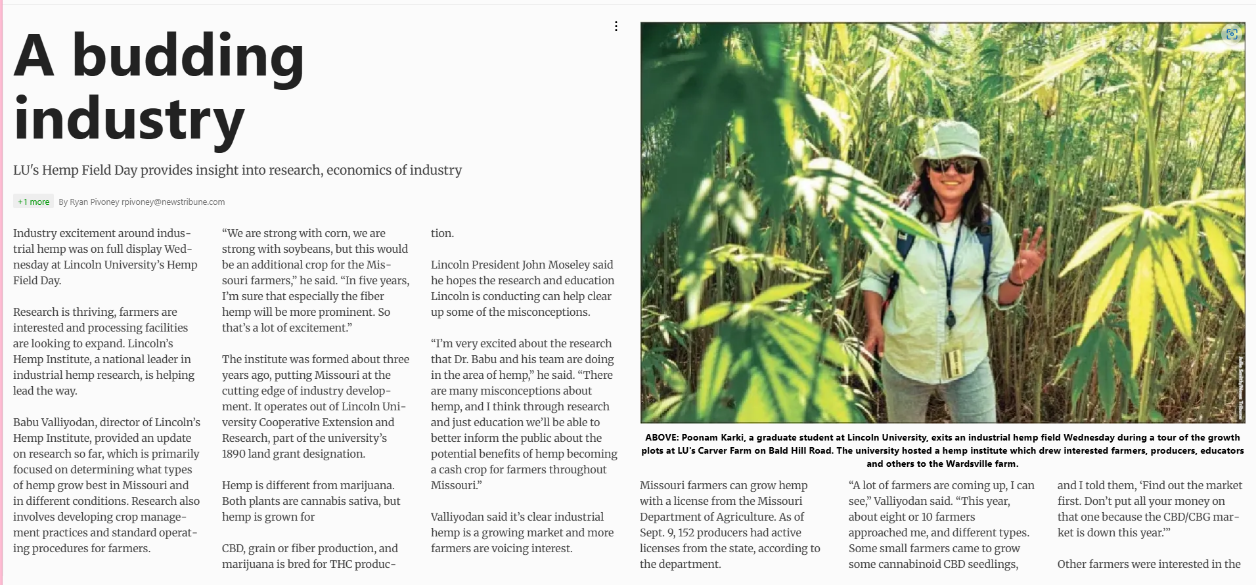
Hemp Field Day
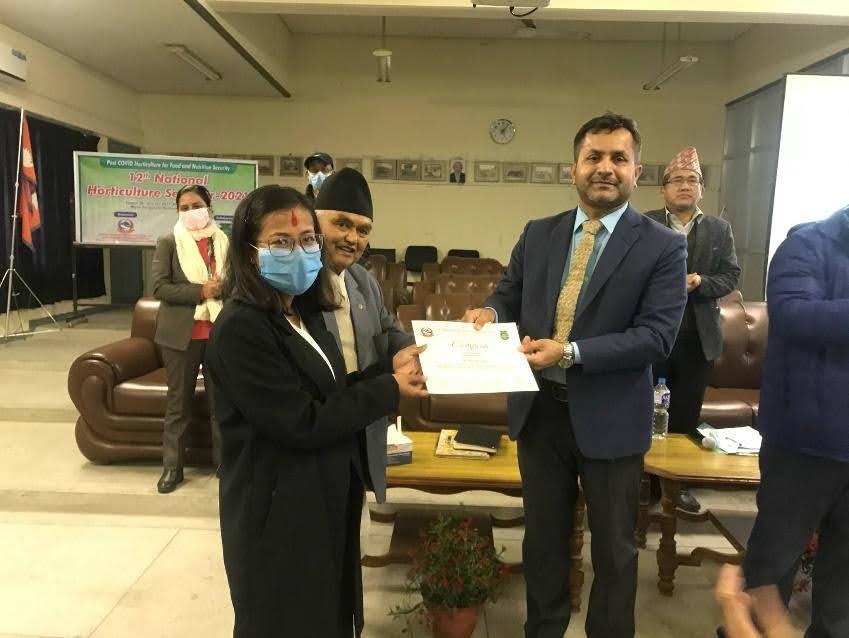
12th National Horticultural Seminar